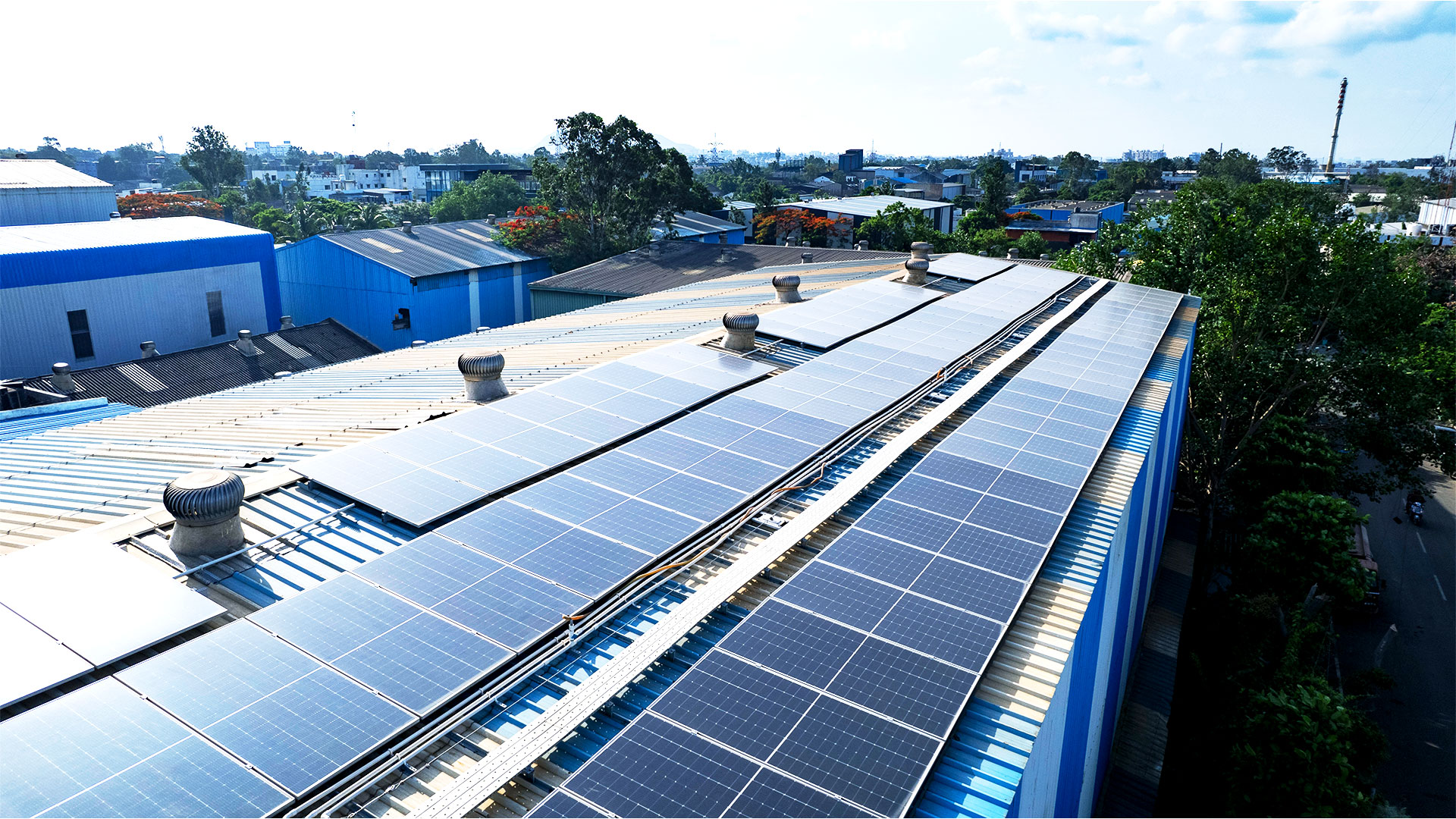
Khulna, the industrial powerhouse of the south-western region, is undergoing a massive transformation. From the shrimp processing plants in Rupsha to the heavy machinery and jute mills in Shiromoni and BSCIC industrial areas, factory owners are shifting their focus to an infinite and free source of energy: the sun. দক্ষিণাঞ্চলের শিল্প রাজধানী খুলনা এখন এক বিশাল পরিবর্তনের মধ্য দিয়ে যাচ্ছে। রূপসা এলাকার চিংড়ি প্রক্রিয়াজাতকরণ কারখানা থেকে শুরু করে শিরোমনি এবং বিসিক (BSCIC) শিল্পাঞ্চলের ভারী মেশিনারিজ ও জুট মিলগুলো—সবাই এখন তাদের মনোযোগ দিচ্ছে এক অফুরন্ত এবং বিনামূল্যে পাওয়া শক্তির উৎসের দিকে: সূর্য।
Why is Rooftop Solar Trending in Khulna? খুলনায় রোফটপ সোলার কেন এত জনপ্রিয় হচ্ছে?
The reasons behind this sudden "Solar Boom" are purely economic and practical. In recent years, grid instability and rising electricity tariffs have significantly increased production costs for industries. To maintain competitiveness in local and global markets, reducing the Levelized Cost of Energy (LCOE) has become mandatory. এই আকস্মিক "সোলার বুম" বা সোলার বিপ্লবের পেছনের মূল কারণ সম্পূর্ণ অর্থনৈতিক এবং বাস্তবসম্মত। সাম্প্রতিক বছরগুলোতে গ্রিডের অস্থিরতা (লোডশেডিং) এবং বিদ্যুতের দাম বৃদ্ধির কারণে শিল্প কারখানাগুলোতে উৎপাদন খরচ উল্লেখযোগ্য হারে বেড়ে গেছে। দেশি ও আন্তর্জাতিক বাজারে প্রতিযোগিতায় টিকে থাকতে হলে বিদ্যুতের লেভেলাইজড কস্ট (LCOE) কমানো এখন বাধ্যতামূলক হয়ে দাঁড়িয়েছে।
The Rise of Micro-Grid Systems মাইক্রো-গ্রিড সিস্টেমের উত্থান
One of the most exciting trends in Khulna's industrial sector is the adoption of "Micro-Grid" architecture. Factories are no longer just installing standalone solar panels; they are using advanced Bi-directional Hybrid Inverters. This technology allows adjacent factories to share DC power peer-to-peer. When one factory has excess power on an off-day, it can directly sell that power to a neighboring factory running at full capacity. খুলনার শিল্প খাতে সবচেয়ে চমকপ্রদ ট্রেন্ড হলো "মাইক্রো-গ্রিড" (Micro-Grid) আর্কিটেকচার গ্রহণ করা। কারখানাগুলো এখন আর শুধু সাধারণ সোলার প্যানেল বসাচ্ছে না; তারা উন্নত বাই-ডিরেকশনাল হাইব্রিড ইনভার্টার ব্যবহার করছে। এই প্রযুক্তি ব্যবহার করে পাশাপাশি থাকা কারখানাগুলো নিজেদের মধ্যে ডিসি (DC) বিদ্যুৎ শেয়ার করতে পারছে। যখন ছুটির দিনে একটি কারখানায় অতিরিক্ত বিদ্যুৎ থাকে, তখন সে তার পাশের চালু কারখানার কাছে সরাসরি বিদ্যুৎ বিক্রি করতে পারে।
Net Metering: The Money Making Machine নেট মিটারিং: টাকা তৈরির যন্ত্র
The government's Net Metering policy has acted as a catalyst. During weekends or holidays, massive industrial solar arrays produce megawatts of electricity that remain unused. Through Net Metering, this excess power is exported back to the national grid. The factory owner earns credit for every unit exported, effectively zeroing out their monthly electricity bills and turning the system into a passive income generator. সরকারের 'নেট মিটারিং' নীতি এক্ষেত্রে জাদুর মতো কাজ করেছে। সাপ্তাহিক ছুটির দিনে কারখানার বিশাল সোলার প্যানেলগুলো যে মেগাওয়াট মেগাওয়াট বিদ্যুৎ তৈরি করে, তা আর নষ্ট হয়শেডিং। নেট মিটারিংয়ের মাধ্যমে এই অতিরিক্ত বিদ্যুৎ সরাসরি জাতীয় গ্রিডে রপ্তানি করা হয়। রপ্তানি করা প্রতি ইউনিট বিদ্যুতের জন্য কারখানা মালিক ক্রেডিট পান, যা মাসের শেষে তাদের বিদ্যুৎ বিল প্রায় শূন্য করে দেয় এবং সিস্টেমটিকে একটি প্যাসিভ আয়ের উৎসে পরিণত করে।
In conclusion, rooftop solar is no longer just an "alternative" energy source for Khulna's industries; it has become a fundamental business strategy. The sun is shining bright on Khulna's industrial future. পরিশেষে বলা যায়, খুলনার শিল্প কারখানাগুলোর জন্য রোফটপ সোলার এখন আর কেবল একটি "বিকল্প" শক্তির উৎস নয়; এটি একটি মৌলিক ব্যবসায়িক কৌশল বা বিজনেস স্ট্র্যাটেজি হয়ে দাঁড়িয়েছে। খুলনার শিল্পের আকাশে এখন নতুন সূর্য উঁকি দিচ্ছে।